

Sienam Ahuja Lulla

CEO Bryckel AI

How to choose the right AI for Lease Abstraction
Lease abstraction isn’t just data extraction. Learn how AI lease abstraction really works—and how to avoid static, incomplete lease summaries.

Lease abstraction isn’t just data extraction. Learn how AI lease abstraction really works—and how to avoid static, incomplete lease summaries.

Lease Abstraction in Commercial Real Estate: What It Is—and How to Choose the Right AI

In commercial real estate (CRE), lease management sits at the center of every critical decision—operations, accounting, valuation, and risk.

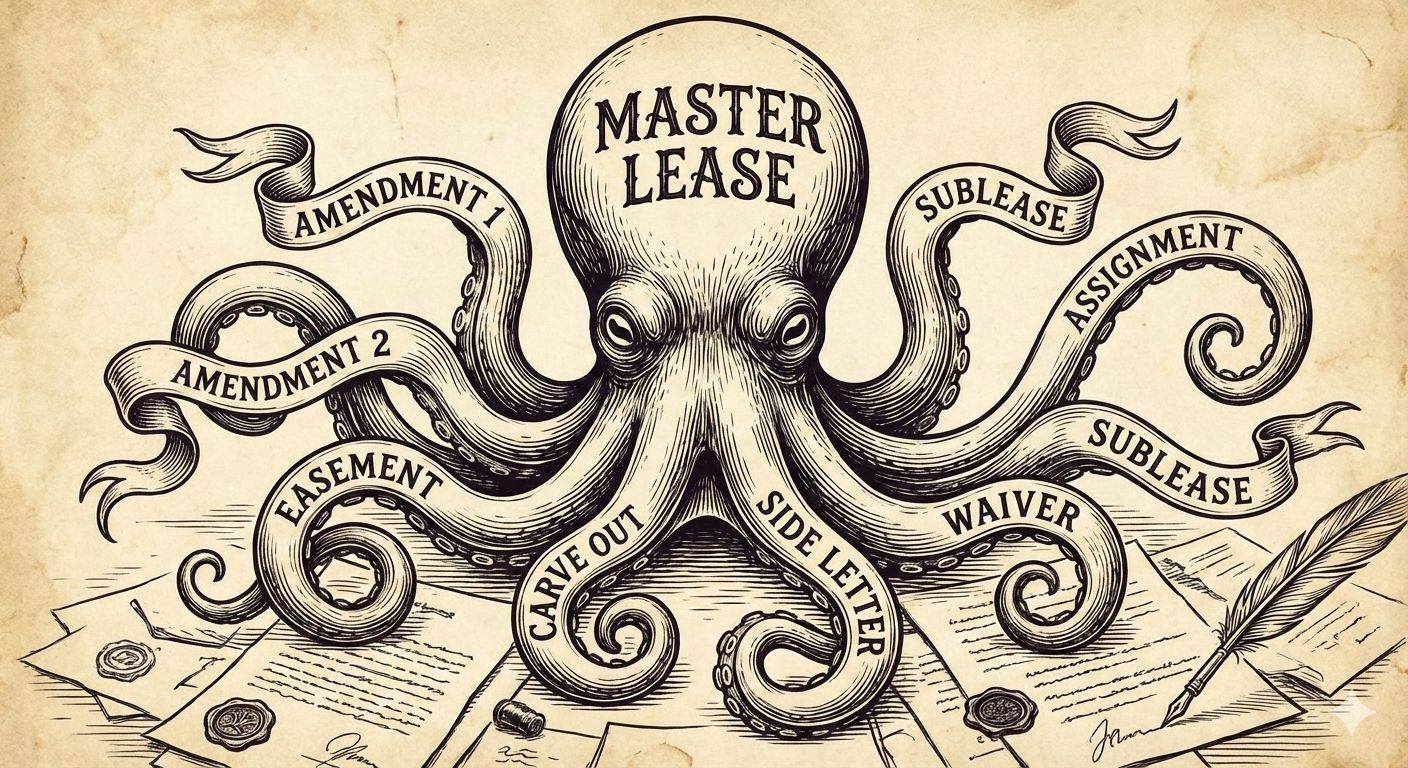
Yet leases across retail, office, and industrial assets are anything but simple. They are long, heavily negotiated legal documents, often starting as landlord or tenant forms and evolving into something entirely different after riders, amendments, side letters, carve-outs, and exhibits are layered in over time.

Managing these agreements accurately—and at scale—is hard.

That’s where lease abstraction comes in. But not all lease abstraction is created equal.

What Is Lease Abstraction?

Lease abstraction is the process of extracting and summarizing key terms from lease documents into a structured, usable format. Instead of reading hundreds of pages, teams rely on abstracts to quickly reference the terms that actually drive value and risk.

A lease abstract typically includes:

  • Lease commencement and expiration dates

  • Rent schedules and escalation clauses

  • Renewal, termination, and expansion options

  • Maintenance and operating expense responsibilities

  • Notice periods and critical dates

  • Tenant and landlord obligations

Done well, abstraction turns dense legal language into actionable intelligence.

Done poorly, it creates a false sense of confidence.

Why Lease Abstraction Matters in CRE

Lease abstraction is not an administrative task—it is a risk-management function.

  • Efficiency: Teams don’t need to dig through legal documents to answer basic questions.

  • Accuracy: Misinterpreting a single clause can lead to revenue leakage, disputes, or compliance issues.

  • Decision quality: Investment, leasing, and asset management decisions are only as good as the lease data behind them.

Miss a renewal notice, and you risk losing a key tenant. Misread a rent clause, and you could be underbilling—or overbilling—for years. These are not theoretical problems; they are common and costly.

Who Relies on Lease Abstraction?

Nearly every CRE function depends on accurate lease data:

  • Asset Managers: Monitor expirations, rent growth, and tenant risk.

  • Property Managers: Track obligations, CAM recoveries, and operational responsibilities.

  • Leasing Teams: Reference economics and options during negotiations and renewals.

  • Legal Teams: Accelerate due diligence, acquisitions, and dispute resolution.

  • Finance & Accounting: Support lease accounting, forecasting, and investor reporting.

  • Investment & Sales Teams: Validate income streams and underwriting assumptions.

In short: if you touch a lease, you rely on abstraction.

From Manual Abstraction to AI

Historically, lease abstraction was manual—handled by lawyers, internal teams, or offshore BPOs. It was slow, expensive, and inconsistent.

AI-powered lease abstraction promises speed and scale. But here’s the critical point most vendors gloss over:

“AI-powered” does not automatically mean “fully automated” or “reliable.”

This is where choosing the right solution matters.

How to Choose an AI Lease Abstraction Platform (What Actually Matters)

If you’re evaluating AI lease abstraction, ask these questions—hard ones.

1. Is it actually automated—or just faster outsourcing?

Many tools still rely heavily on human review behind the scenes. True automation means the system can extract, structure, and validate lease data consistently across a portfolio—not just generate a summary after manual cleanup.

If the output depends on hidden human labor, scale and turnaround will always break.

2. Does it link the entire lease stack?

A lease does not exist in isolation.

Abstraction fails when the base lease is summarized without being contextually linked to:

  • Amendments

  • Side letters

  • Exhibits and schedules

  • Carve-outs negotiated later

If your system treats each document as standalone, you are guaranteed to miss material terms. The abstraction must understand the lease as a living, interconnected agreement.

3. Do you get intelligence—or just a static Excel file?

Many solutions still deliver lease abstracts as spreadsheets exported from PDFs. That’s not intelligence—that’s a snapshot.

Modern lease abstraction should be:

  • Searchable

  • Queryable (via chat or natural language)

  • Continuously usable across workflows like accounting, compliance, and asset management

If your “AI” ends with a static file, you’re still doing the hard work downstream.

The Real Value of AI-Powered Lease Abstraction

When done right, AI-driven lease abstraction delivers:

  • Speed without sacrificing accuracy

  • Lower costs than manual or BPO-heavy processes

  • Portfolio-level insights across hundreds or thousands of leases

  • A single source of truth that evolves with the lease lifecycle

This is where platforms like Bryckel focus—not just on extracting data, but on making lease intelligence usable over time.

Conclusion: Lease Abstraction Is Table Stakes—Intelligent Abstraction Is the Differentiator

Lease abstraction is no longer optional in commercial real estate. But simply “using AI” is not enough.

The real question is whether your abstraction is:

  • Truly automated

  • Context-aware across all lease documents

  • Delivered as living intelligence, not static output

In a market where risk is institutional and knowledge is still tribal, smarter lease abstraction isn’t just about saving time—it’s about making better decisions, faster, with confidence.

Lease Abstraction in Commercial Real Estate: What It Is—and How to Choose the Right AI

In commercial real estate (CRE), lease management sits at the center of every critical decision—operations, accounting, valuation, and risk.

Yet leases across retail, office, and industrial assets are anything but simple. They are long, heavily negotiated legal documents, often starting as landlord or tenant forms and evolving into something entirely different after riders, amendments, side letters, carve-outs, and exhibits are layered in over time.

Managing these agreements accurately—and at scale—is hard.

That’s where lease abstraction comes in. But not all lease abstraction is created equal.

What Is Lease Abstraction?

Lease abstraction is the process of extracting and summarizing key terms from lease documents into a structured, usable format. Instead of reading hundreds of pages, teams rely on abstracts to quickly reference the terms that actually drive value and risk.

A lease abstract typically includes:

  • Lease commencement and expiration dates

  • Rent schedules and escalation clauses

  • Renewal, termination, and expansion options

  • Maintenance and operating expense responsibilities

  • Notice periods and critical dates

  • Tenant and landlord obligations

Done well, abstraction turns dense legal language into actionable intelligence.

Done poorly, it creates a false sense of confidence.

Why Lease Abstraction Matters in CRE

Lease abstraction is not an administrative task—it is a risk-management function.

  • Efficiency: Teams don’t need to dig through legal documents to answer basic questions.

  • Accuracy: Misinterpreting a single clause can lead to revenue leakage, disputes, or compliance issues.

  • Decision quality: Investment, leasing, and asset management decisions are only as good as the lease data behind them.

Miss a renewal notice, and you risk losing a key tenant. Misread a rent clause, and you could be underbilling—or overbilling—for years. These are not theoretical problems; they are common and costly.

Who Relies on Lease Abstraction?

Nearly every CRE function depends on accurate lease data:

  • Asset Managers: Monitor expirations, rent growth, and tenant risk.

  • Property Managers: Track obligations, CAM recoveries, and operational responsibilities.

  • Leasing Teams: Reference economics and options during negotiations and renewals.

  • Legal Teams: Accelerate due diligence, acquisitions, and dispute resolution.

  • Finance & Accounting: Support lease accounting, forecasting, and investor reporting.

  • Investment & Sales Teams: Validate income streams and underwriting assumptions.

In short: if you touch a lease, you rely on abstraction.

From Manual Abstraction to AI

Historically, lease abstraction was manual—handled by lawyers, internal teams, or offshore BPOs. It was slow, expensive, and inconsistent.

AI-powered lease abstraction promises speed and scale. But here’s the critical point most vendors gloss over:

“AI-powered” does not automatically mean “fully automated” or “reliable.”

This is where choosing the right solution matters.

How to Choose an AI Lease Abstraction Platform (What Actually Matters)

If you’re evaluating AI lease abstraction, ask these questions—hard ones.

1. Is it actually automated—or just faster outsourcing?

Many tools still rely heavily on human review behind the scenes. True automation means the system can extract, structure, and validate lease data consistently across a portfolio—not just generate a summary after manual cleanup.

If the output depends on hidden human labor, scale and turnaround will always break.

2. Does it link the entire lease stack?

A lease does not exist in isolation.

Abstraction fails when the base lease is summarized without being contextually linked to:

  • Amendments

  • Side letters

  • Exhibits and schedules

  • Carve-outs negotiated later

If your system treats each document as standalone, you are guaranteed to miss material terms. The abstraction must understand the lease as a living, interconnected agreement.

3. Do you get intelligence—or just a static Excel file?

Many solutions still deliver lease abstracts as spreadsheets exported from PDFs. That’s not intelligence—that’s a snapshot.

Modern lease abstraction should be:

  • Searchable

  • Queryable (via chat or natural language)

  • Continuously usable across workflows like accounting, compliance, and asset management

If your “AI” ends with a static file, you’re still doing the hard work downstream.

The Real Value of AI-Powered Lease Abstraction

When done right, AI-driven lease abstraction delivers:

  • Speed without sacrificing accuracy

  • Lower costs than manual or BPO-heavy processes

  • Portfolio-level insights across hundreds or thousands of leases

  • A single source of truth that evolves with the lease lifecycle

This is where platforms like Bryckel focus—not just on extracting data, but on making lease intelligence usable over time.

Conclusion: Lease Abstraction Is Table Stakes—Intelligent Abstraction Is the Differentiator

Lease abstraction is no longer optional in commercial real estate. But simply “using AI” is not enough.

The real question is whether your abstraction is:

  • Truly automated

  • Context-aware across all lease documents

  • Delivered as living intelligence, not static output

In a market where risk is institutional and knowledge is still tribal, smarter lease abstraction isn’t just about saving time—it’s about making better decisions, faster, with confidence.

Lease Abstraction in Commercial Real Estate: What It Is—and How to Choose the Right AI

In commercial real estate (CRE), lease management sits at the center of every critical decision—operations, accounting, valuation, and risk.

Yet leases across retail, office, and industrial assets are anything but simple. They are long, heavily negotiated legal documents, often starting as landlord or tenant forms and evolving into something entirely different after riders, amendments, side letters, carve-outs, and exhibits are layered in over time.

Managing these agreements accurately—and at scale—is hard.

That’s where lease abstraction comes in. But not all lease abstraction is created equal.

What Is Lease Abstraction?

Lease abstraction is the process of extracting and summarizing key terms from lease documents into a structured, usable format. Instead of reading hundreds of pages, teams rely on abstracts to quickly reference the terms that actually drive value and risk.

A lease abstract typically includes:

  • Lease commencement and expiration dates

  • Rent schedules and escalation clauses

  • Renewal, termination, and expansion options

  • Maintenance and operating expense responsibilities

  • Notice periods and critical dates

  • Tenant and landlord obligations

Done well, abstraction turns dense legal language into actionable intelligence.

Done poorly, it creates a false sense of confidence.

Why Lease Abstraction Matters in CRE

Lease abstraction is not an administrative task—it is a risk-management function.

  • Efficiency: Teams don’t need to dig through legal documents to answer basic questions.

  • Accuracy: Misinterpreting a single clause can lead to revenue leakage, disputes, or compliance issues.

  • Decision quality: Investment, leasing, and asset management decisions are only as good as the lease data behind them.

Miss a renewal notice, and you risk losing a key tenant. Misread a rent clause, and you could be underbilling—or overbilling—for years. These are not theoretical problems; they are common and costly.

Who Relies on Lease Abstraction?

Nearly every CRE function depends on accurate lease data:

  • Asset Managers: Monitor expirations, rent growth, and tenant risk.

  • Property Managers: Track obligations, CAM recoveries, and operational responsibilities.

  • Leasing Teams: Reference economics and options during negotiations and renewals.

  • Legal Teams: Accelerate due diligence, acquisitions, and dispute resolution.

  • Finance & Accounting: Support lease accounting, forecasting, and investor reporting.

  • Investment & Sales Teams: Validate income streams and underwriting assumptions.

In short: if you touch a lease, you rely on abstraction.

From Manual Abstraction to AI

Historically, lease abstraction was manual—handled by lawyers, internal teams, or offshore BPOs. It was slow, expensive, and inconsistent.

AI-powered lease abstraction promises speed and scale. But here’s the critical point most vendors gloss over:

“AI-powered” does not automatically mean “fully automated” or “reliable.”

This is where choosing the right solution matters.

How to Choose an AI Lease Abstraction Platform (What Actually Matters)

If you’re evaluating AI lease abstraction, ask these questions—hard ones.

1. Is it actually automated—or just faster outsourcing?

Many tools still rely heavily on human review behind the scenes. True automation means the system can extract, structure, and validate lease data consistently across a portfolio—not just generate a summary after manual cleanup.

If the output depends on hidden human labor, scale and turnaround will always break.

2. Does it link the entire lease stack?

A lease does not exist in isolation.

Abstraction fails when the base lease is summarized without being contextually linked to:

  • Amendments

  • Side letters

  • Exhibits and schedules

  • Carve-outs negotiated later

If your system treats each document as standalone, you are guaranteed to miss material terms. The abstraction must understand the lease as a living, interconnected agreement.

3. Do you get intelligence—or just a static Excel file?

Many solutions still deliver lease abstracts as spreadsheets exported from PDFs. That’s not intelligence—that’s a snapshot.

Modern lease abstraction should be:

  • Searchable

  • Queryable (via chat or natural language)

  • Continuously usable across workflows like accounting, compliance, and asset management

If your “AI” ends with a static file, you’re still doing the hard work downstream.

The Real Value of AI-Powered Lease Abstraction

When done right, AI-driven lease abstraction delivers:

  • Speed without sacrificing accuracy

  • Lower costs than manual or BPO-heavy processes

  • Portfolio-level insights across hundreds or thousands of leases

  • A single source of truth that evolves with the lease lifecycle

This is where platforms like Bryckel focus—not just on extracting data, but on making lease intelligence usable over time.

Conclusion: Lease Abstraction Is Table Stakes—Intelligent Abstraction Is the Differentiator

Lease abstraction is no longer optional in commercial real estate. But simply “using AI” is not enough.

The real question is whether your abstraction is:

  • Truly automated

  • Context-aware across all lease documents

  • Delivered as living intelligence, not static output

In a market where risk is institutional and knowledge is still tribal, smarter lease abstraction isn’t just about saving time—it’s about making better decisions, faster, with confidence.

Learn more about Bryckel AI.

Trusted by hundreds of leading real estate businesses.

Book a Demo

By submitting this form you agree to our terms and conditions and our Privacy Policy which explains how we may collect, use and disclose your personal information including to third parties.

In-house Legal

Move at the pace your business requires while ensuring every decision is informed and defensible. Handle more work with less resources. Reduce your external counsel spend, invest in codifying expertise across deals for future efficiency.

Real Estate Development Team

Fast growing tenants in industries such as restaurant, retail, fitness, banking, grocery, logistics and coworking. Never sign an unfavorable lease. Speed up lease approvals, streamline negotiations, and manage multiple locations with confidence.

Real Estate Investors & Asset Managers

Never miss an acquisition opportunity. Maximize NOI & monetization opportunities. Respond to investors, leasing team, brokers, outside counsel and leadership in fraction of time.

Real Estate Advisors

For anyone who loves deals, not documents. Get your head around complex leases and portfolios, and advise clients about issues from day one. Deliver actionable insights and strategic advice that accelerates deals and strengthens client relationships.

Law Firms

Spot issues before they become problems, watch your clients’ back and protect their business. Meet tight client deadlines. Handle work at scale and stay competitive.

Learn more about Bryckel AI.

Trusted by hundreds of leading real estate businesses.

Book a Demo

By submitting this form you agree to our terms and conditions and our Privacy Policy which explains how we may collect, use and disclose your personal information including to third parties.

In-house Legal

Move at the pace your business requires while ensuring every decision is informed and defensible. Handle more work with less resources. Reduce your external counsel spend, invest in codifying expertise across deals for future efficiency.

Real Estate Development Team

Fast growing tenants in industries such as restaurant, retail, fitness, banking, grocery, logistics and coworking. Never sign an unfavorable lease. Speed up lease approvals, streamline negotiations, and manage multiple locations with confidence.

Real Estate Investors & Asset Managers

Never miss an acquisition opportunity. Maximize NOI & monetization opportunities. Respond to investors, leasing team, brokers, outside counsel and leadership in fraction of time.

Real Estate Advisors

For anyone who loves deals, not documents. Get your head around complex leases and portfolios, and advise clients about issues from day one. Deliver actionable insights and strategic advice that accelerates deals and strengthens client relationships.

Law Firms

Spot issues before they become problems, watch your clients’ back and protect their business. Meet tight client deadlines. Handle work at scale and stay competitive.

Learn more about Bryckel AI.

Trusted by hundreds of leading real estate businesses.

Book a Demo

By submitting this form you agree to our terms and conditions and our Privacy Policy which explains how we may collect, use and disclose your personal information including to third parties.

In-house Legal

Move at the pace your business requires while ensuring every decision is informed and defensible. Handle more work with less resources. Reduce your external counsel spend, invest in codifying expertise across deals for future efficiency.

Real Estate Development Team

Fast growing tenants in industries such as restaurant, retail, fitness, banking, grocery, logistics and coworking. Never sign an unfavorable lease. Speed up lease approvals, streamline negotiations, and manage multiple locations with confidence.

Real Estate Investors & Asset Managers

Never miss an acquisition opportunity. Maximize NOI & monetization opportunities. Respond to investors, leasing team, brokers, outside counsel and leadership in fraction of time.

Real Estate Advisors

For anyone who loves deals, not documents. Get your head around complex leases and portfolios, and advise clients about issues from day one. Deliver actionable insights and strategic advice that accelerates deals and strengthens client relationships.

Law Firms

Spot issues before they become problems, watch your clients’ back and protect their business. Meet tight client deadlines. Handle work at scale and stay competitive.